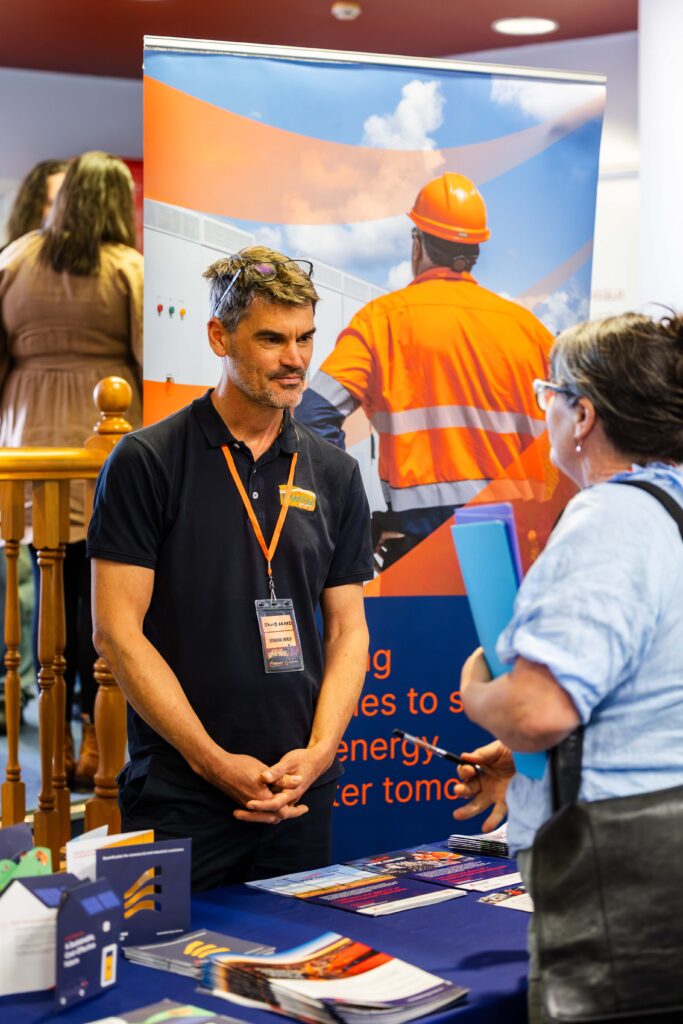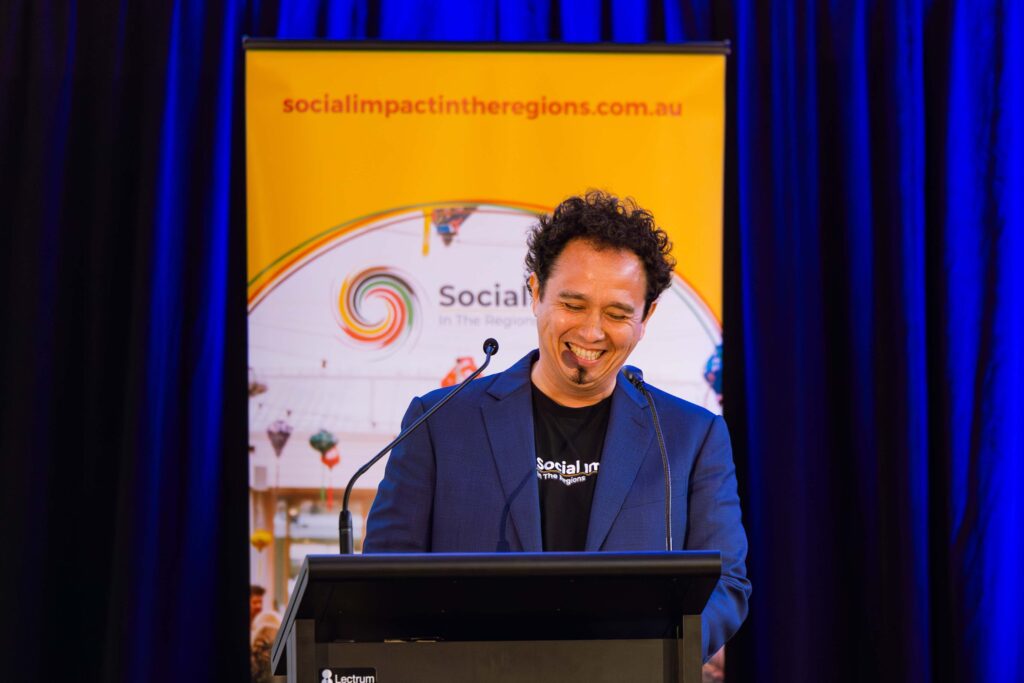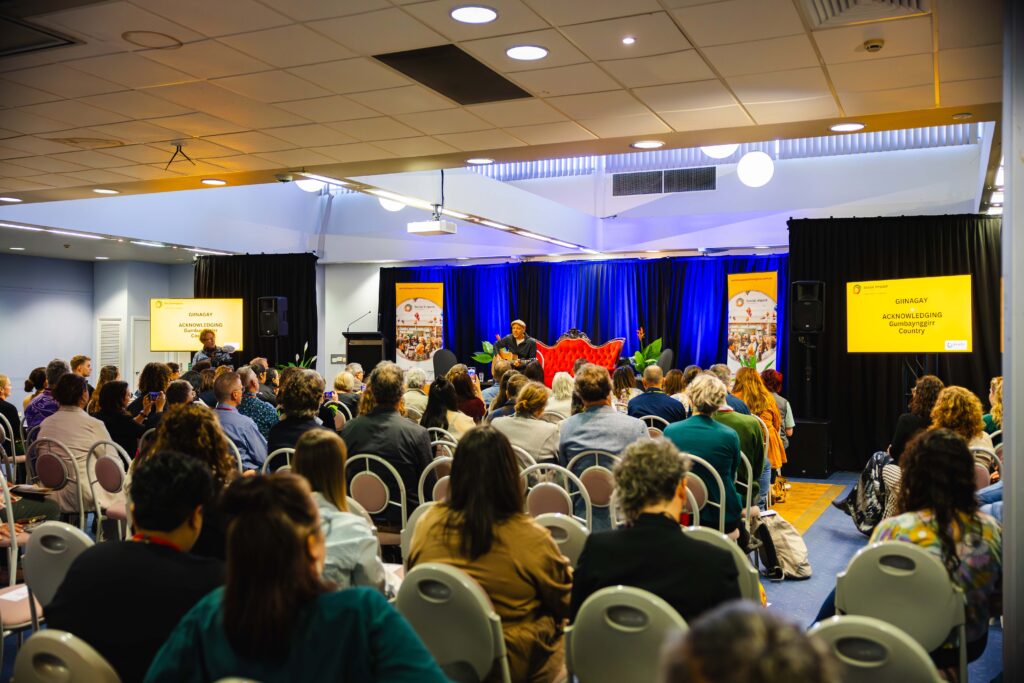
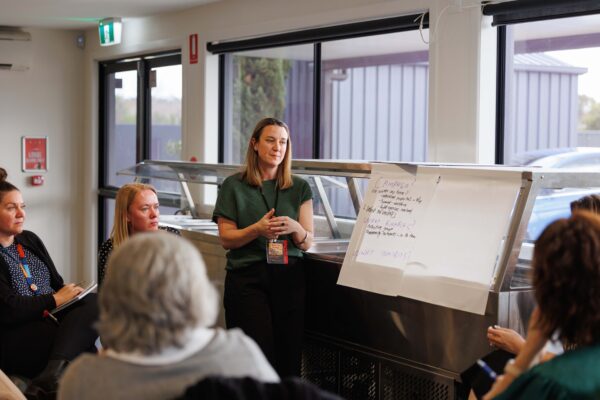
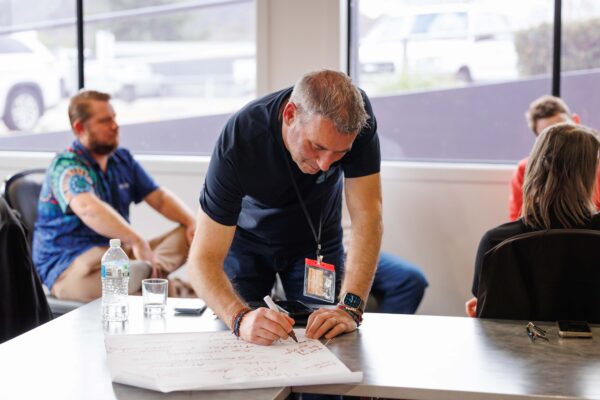
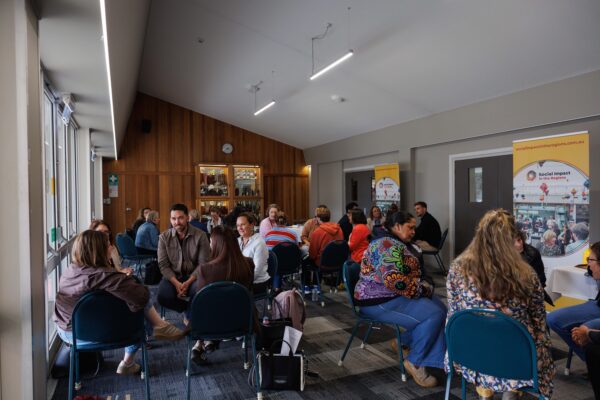
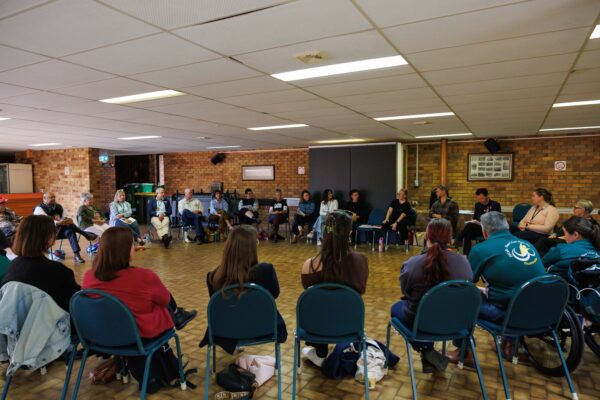
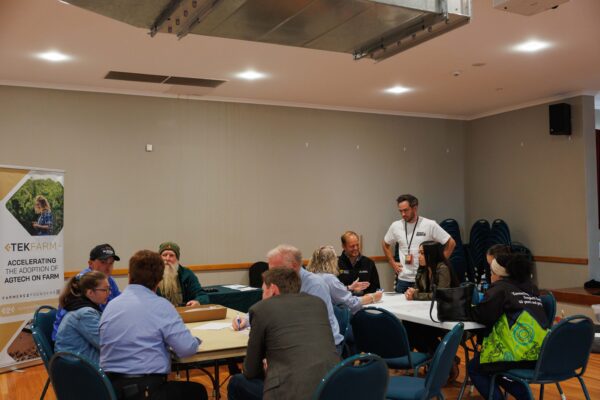
After lunch in the park on Day 1, delegates moved to six different Impact Labs aligned to the National Regional Challenges launched in 2026 and highlighted in the earlier panel session. The sessions were held in different rooms in the conference Civic Centre and the nearby RSL. Each Lab had a facilitator to guide delegates through a conversation to lead to a national campaign. The update to the Impact Lab format was partly in response to feedback from SIITR25 to have more practical outcomes.
Background
- The National Regional Challenges (Challenges) are designed to mobilise local action against systemic drivers of regional change. Each Focus Area has a ‘Challenge Statement’ to focus the conversation.
- The Challenges are informed by Stanthorpe as the SIITR host community, national case studies, and mapping.
- The workshops draw on the Challenge Statement to define a campaign – a tangible and easy-to-understand statement to mobilise community activity.
- The Impact Labs build on this work, with workshop delegates informing national campaigns for practical local action.
- How Challenges become campaigns:
- January – we ask the SIITR host community what matters most
- Jan-Apr – we continue local conversations and socialise a series of ‘Challenge Statements’
- May – we release our annual Impact Report and Challenge Statements
- May – call for Case Studies for each Challenge Statement
- July – choose one case study from each of the Challenge Statements to attend SIITR and enter the National Showcase.
- September – SIITR National Conference. Showcase National Regional Challenges as themes and deliver Impact Labs to determine a series of campaigns.
- September – Post-SIITR launch campaigns and open registrations
- April – Close campaigns and report outcomes
What is a campaign?
A campaign is an invitation for practical and immediate community action.
- It is enabled by Agency – Possible through local initiative and leadership, not needing top-down permission
- It is Replicable – Able to be delivered across diverse regions
- It is Timely – Can be started and completed in a matter of months
- It is Achievable – Can be started and delivered with available capability and capacity
- It is Observable – Results can be seen and counted for shared learning
- It is Additive – Builds on rather than competes with existing ideas and momentum
The Impact labs
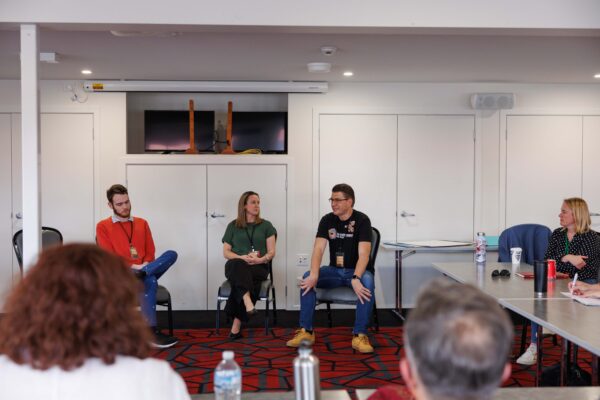
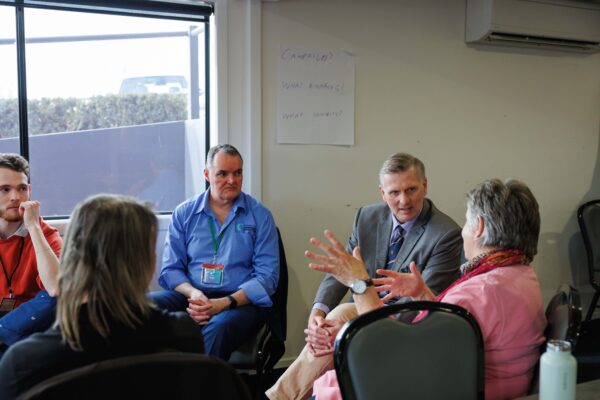
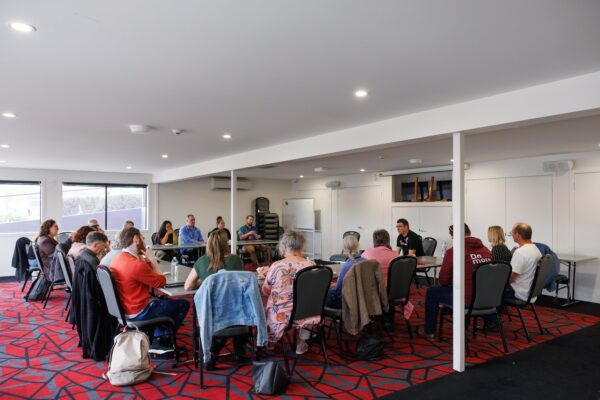
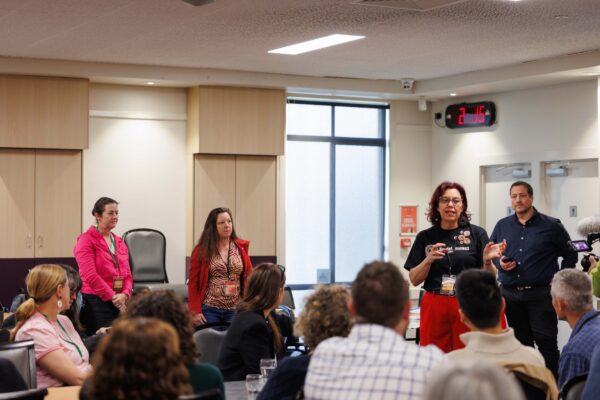
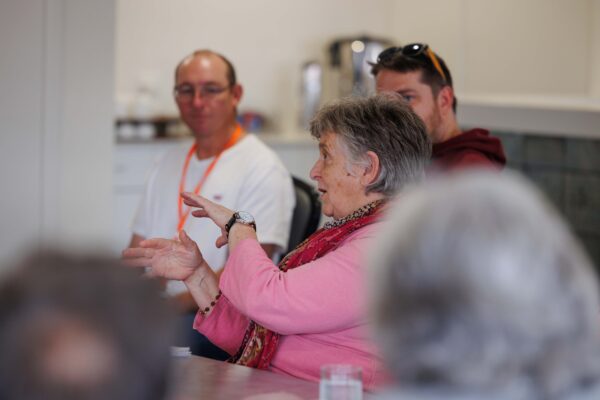
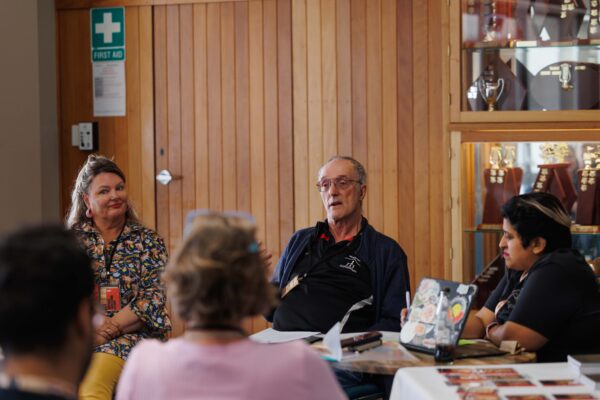
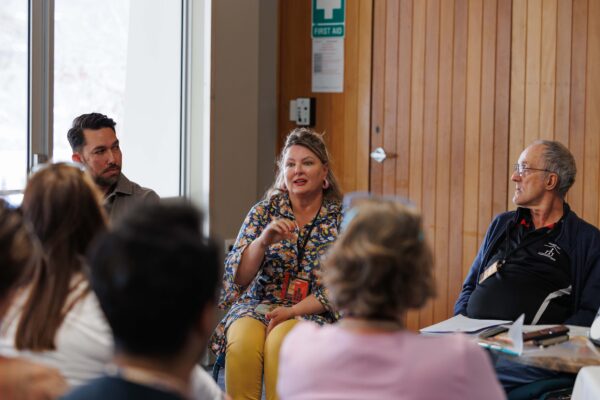
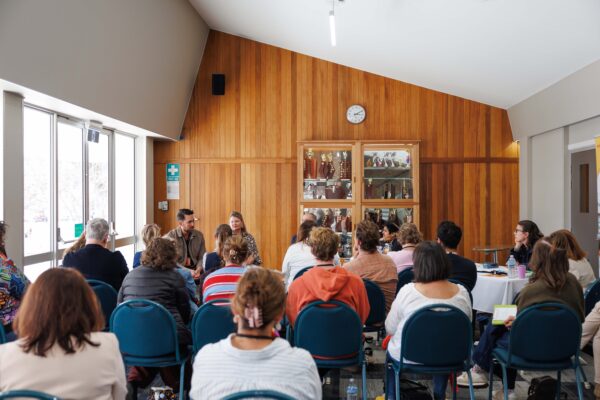
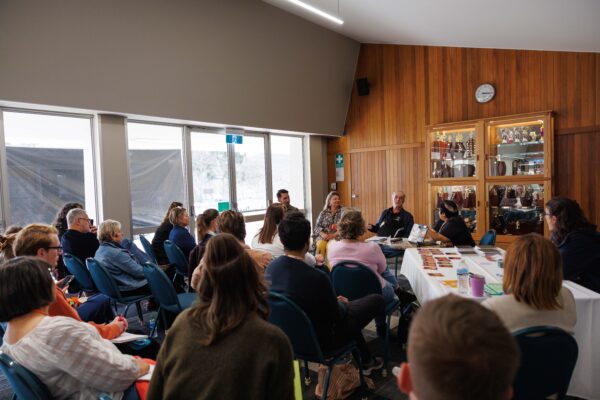
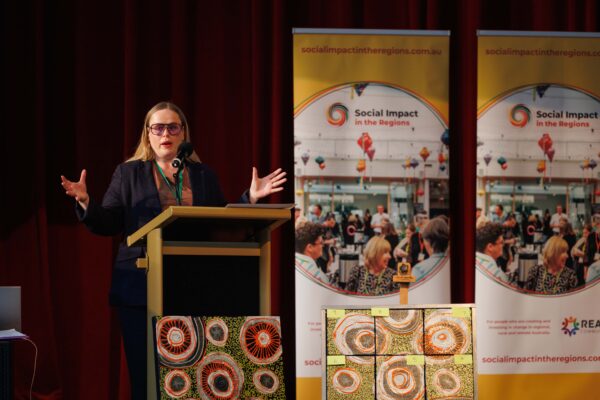
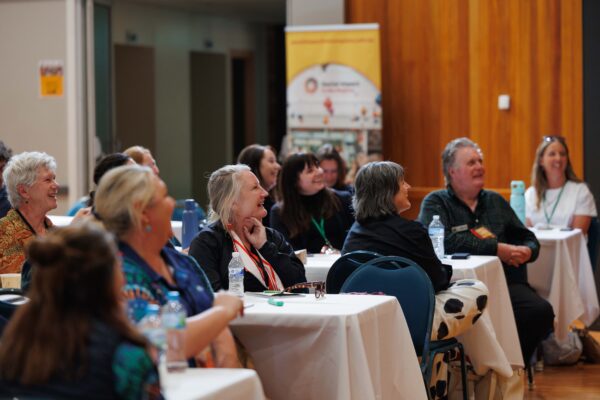
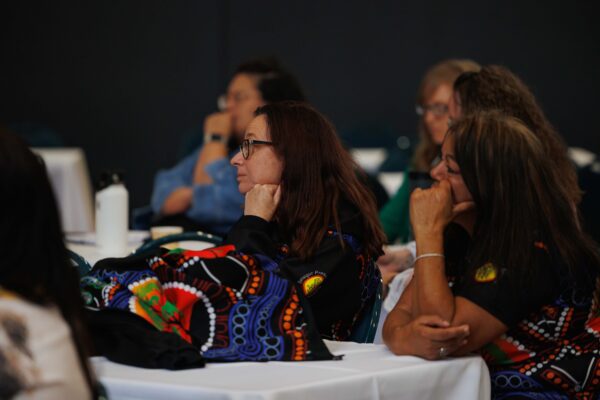
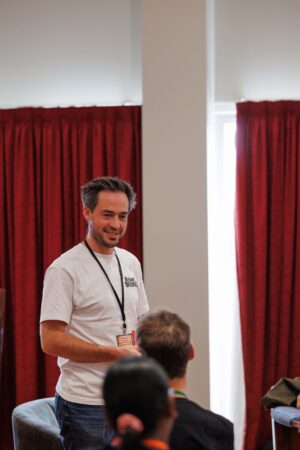
Each impact lab had a facilitator who set the scene with an opening panel and then worked with participants to set a campaign.
Liveability. How does your region solve its own housing problem?
Brief: Housing is experienced as a challenge outside local control, driven by supply, cost, planning, and workforce. Yet in regional towns, habitable dwellings can sit empty, and critical roles such as health providers and education go unfilled due to a lack of affordable accommodation. Local housing stock can be used for short-term tourism accommodation, driving up costs, while also providing essential income for families under increased financial pressure.
Facilitator: Chad Renando, Ready Communities.
Panel: Bec Woolley, Loreto Community Housing; Ryan Martin, Centre for Policy Development; with special engagement by James Lister MP, Member for Southern Downs.
Local economy. How does your region keep its money working locally?
Brief: This conversation is less about attracting investment and more about identifying, retaining, and distributing local capital. Procurement can flow to metropolitan suppliers, young people leave before they have traded once, and new ventures can fail due to lack of specialised and diverse services and support. The conversation includes community-owned capital, shop local campaigns, community foundations, local philanthropy, and local entrepreneurship.
Facilitator: Kerry Grace, Ready Communities.
Panel: Matt Gregg, Office of the Cross-Border Commissioner; Robyn Haig, RDA Darling Downs and South West; Jacqueline Steel, DETSI.
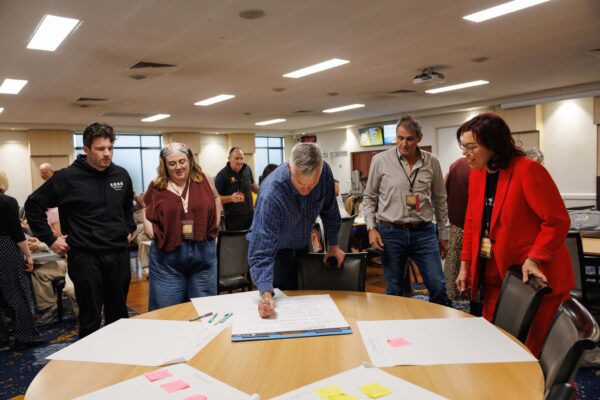
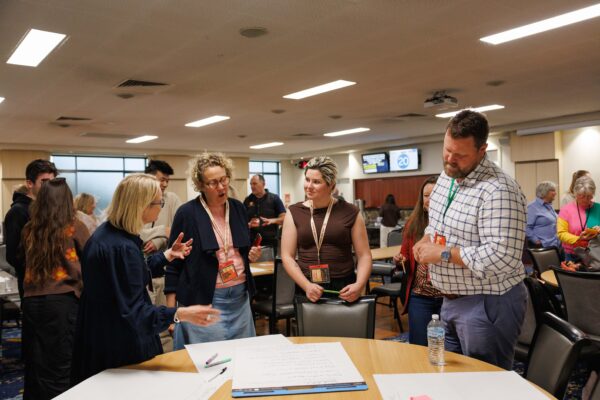
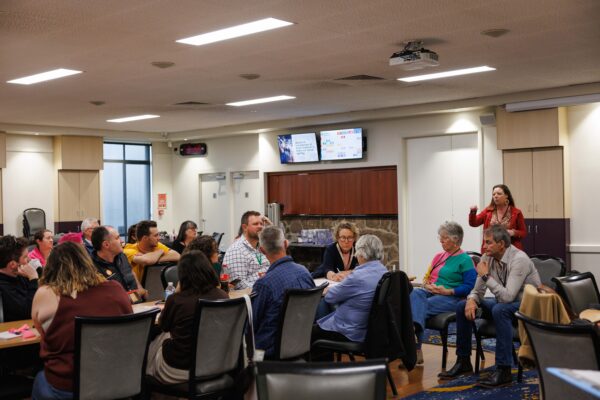
Community contribution. How does your region keep its volunteer heart strong?
Brief: Volunteering is essential in regional communities and it is under pressure. Households face financial and time constraints, governance requirements have grown, and ageing or declining populations mean the same people keep showing up. Organisations also lose decades of custodial knowledge when long-serving volunteers step back. The Lab looked past recruitment to the conditions that enable contribution.
Facilitator: Taz Devadass, Futures Isle.
Panel: Justine Cadena, Outback Futures; Will Souter, RACQ; Ben White, Granite Belt Neighbourhood Centre.
Cultural practices. How does your region tell a story that belongs to everyone?
Brief: A region’s stories are held by several communities at once, including First Nations, farming, migrant, generational and newcomer, younger and older. Stories exclude by omission, and much of what a place knows about itself is undocumented. Most cultural work sits where only the already engaged encounter it, and reduced traditional media has removed a distribution route.
Facilitator: Lavinia Hutchison, Regionall.
Panel: Aunty Vicki Taylor, Dalaigur and Scribbly Gum Dalai; Jana Hesketh, Queensland Music Festival; Mary Findlay, Stanthorpe Regional Art Gallery.
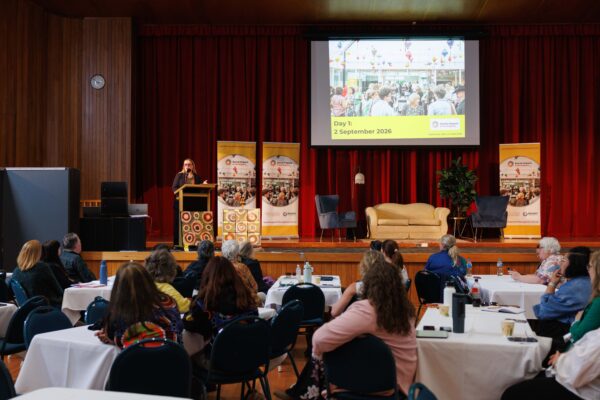
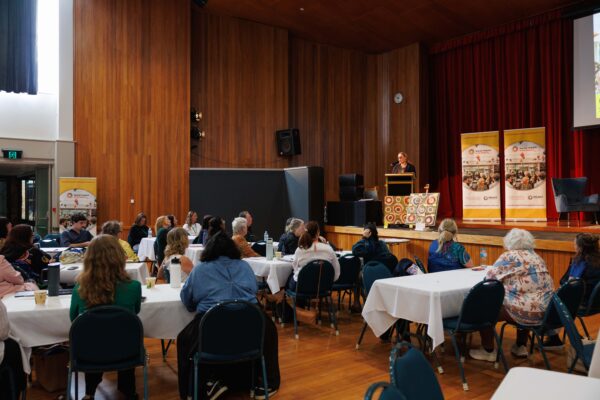
Intergenerational connection. How do your region’s generations learn from each other to build something stronger?
Brief: Older residents hold institutional memory and relational networks that take decades to build and do not transfer easily. Younger people and newcomer families need a reason to engage that is relevant to them, and people in early and mid career are time-poor. The organisations that could bridge the gap, being schools, community groups, employers and councils, usually operate without a shared agenda.
Facilitator: Em Rigby, Futures Isle.
Panel: Andy Hamilton, Human Nature.
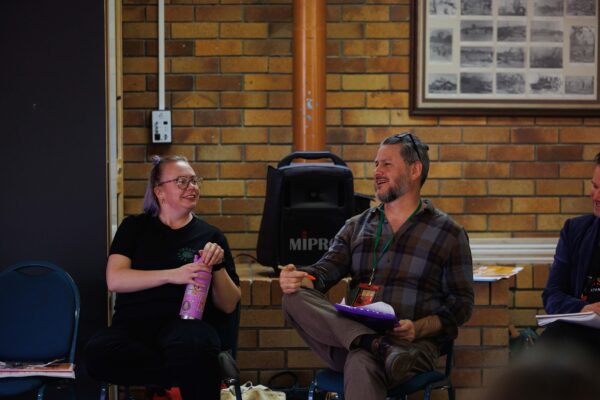
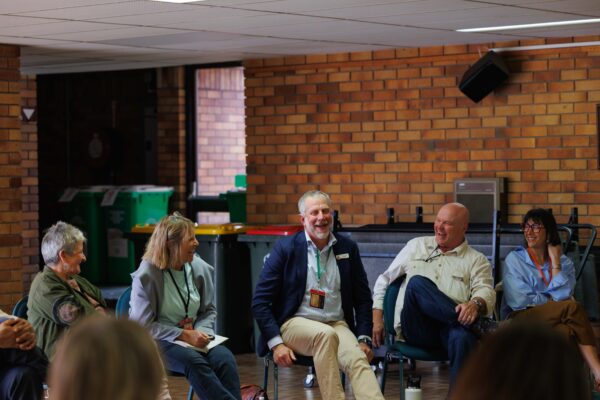
Sustainability. How does your region keep tourists coming even when the water is running low?
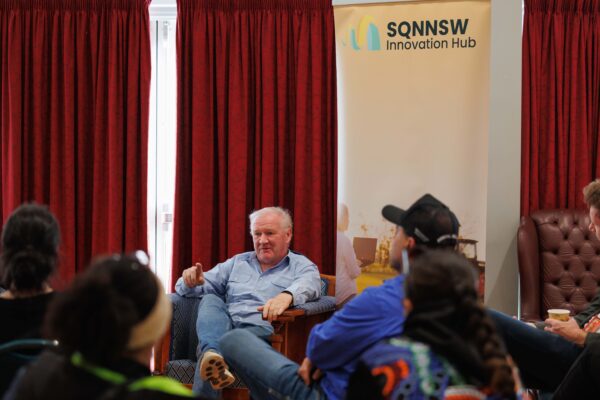
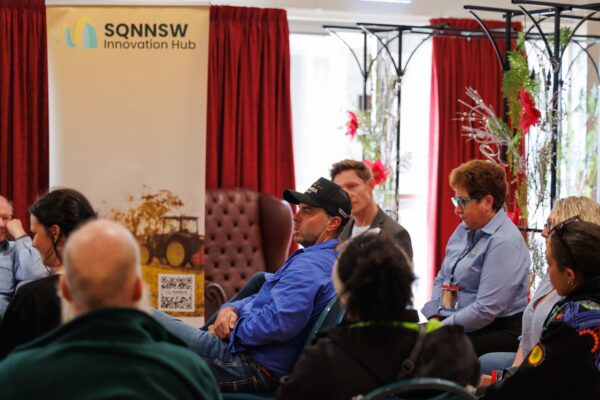
Brief: When a region is in drought, staying away can look like the right thing for a visitor to do. That is when a regional economy needs visitors most. The Lab focused on what visitor economy operators can do themselves, covering how to welcome visitors sustainably, manage water across the whole visitor economy, and make water stewardship part of the region’s story.
Facilitator: Philippe Ceulen, Innovation Architects.
Panel: Maddy Razeghi, UniSQ; Rick Humphries, Granite Belt Sustainability Action Network.
Challenge Partner: Southern Queensland Northern New South Wales Drought Innovation Hub (Recap here)
What’s next
Each workshop resulted in one or more campaigns that will be refined with the facilitators and National Challenge Partners.
Campaigns that are clearly defined and have support will be released in October for activation through early 2027.
These will be supported with regular webinars and activation by the National Challenge Partners and ready Communities.
Find out more at the National Regional Challenges website.
Delegate feedback
“I loved the impact lab. It was so interesting and really good to hear the expertise in the room and to meet people.”
“The lab and the networking. Experiencing the local area was fantastic.”
“The ideas that come from our impact lab were really positive and realistic.”
“Feeling compelled to support next steps after Impact Lab. It is only one touchpoint in an ongoing conversation. There was some momentum and trust built up that I would like to see continue.”
“I would like to continue with the regional challenge I had. I have more ideas on how to assist communities in the grants space. I am learning more about other options and how to pass this on.”