The Social Impact in the Regions National Impact Showcase brings inspirational examples of impact initiatives to the regions and provides a platform for emerging entrepreneurs to present their ideas. In 2026, the Showcase aligned with the National Regional Challenges, with pitches representing five challenge areas: Sustainability, Community Contribution, Local Economy, Cultural Practices, and Intergenerational Connection.
Setting the scene – the need for ‘boundary spanners’
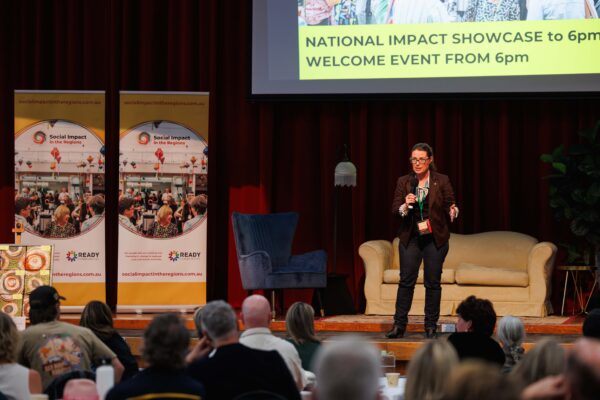
The Showcase opened with a brief conversation with Jacqueline Steel, Director of Queensland’s Department of Environment, Tourism, Science and Innovation. The discussion focused on Jacqueline’s experience supporting innovation in regional communities for over the past decade. Touching on the recent release of the Queensland Innovation and Science Strategy that features a place-based focus and acknowledging support for Social Impact in the Regions from the Innovation Events Fund, the chat considered the role of government in creating environments conducive to turning ideas into practical outcomes. Part of this is being on the ground in regions and having people who act as ‘boundary spanners’, bringing back insights from regions into government departments and translating centralised policies and opportunities back out into the regions.
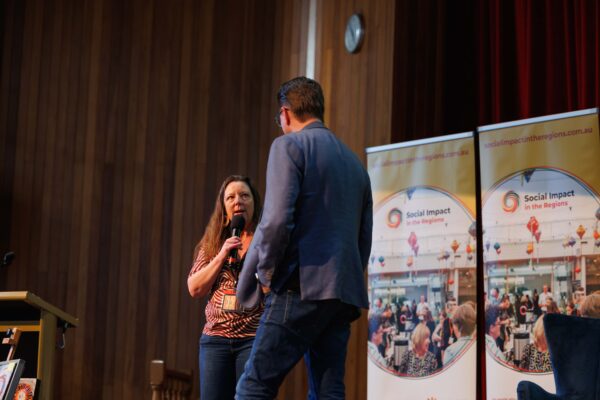
Showcase with Tom Allen from Impact Boom
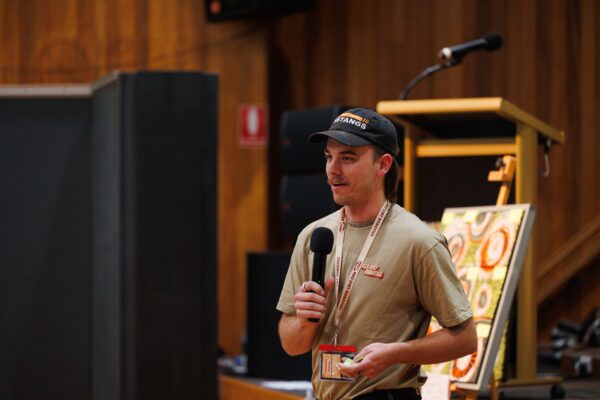
Tom Allen then MC’d the Showcase, representing the Social Enterprise incubator and accelerator Impact Boom and the connection platform Business for Good Network. All presenters were gifted one year of access to the Business for Good Network.
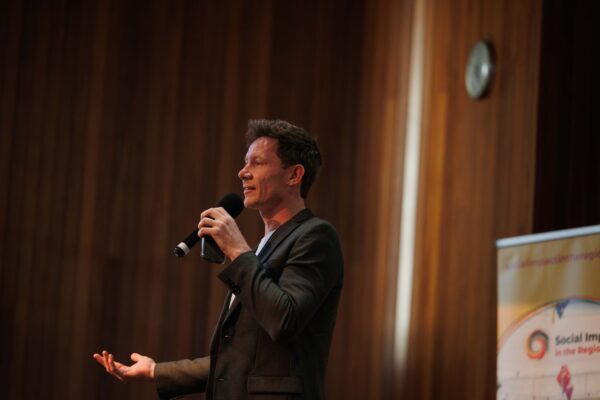
2025 Showcase alumni Jameson Harvey from Red Dirt Robotics
The showcase opened with a presentation by 2025 Showcase winner Jameson Harvey, Founder at Red Dirt Robotics. Jamison provided an update on his business, which has delivered hands-on STEM workshops on robotics, drones, coding, and 3D printing to more than 6,000 students across 150+ schools in regional and remote Australia. Jamison shared how the event last year facilitated board-level connections that were part of the progress to Red Dirt Robotics then establishing itself as a charity to better engage those who wanted to support his work.
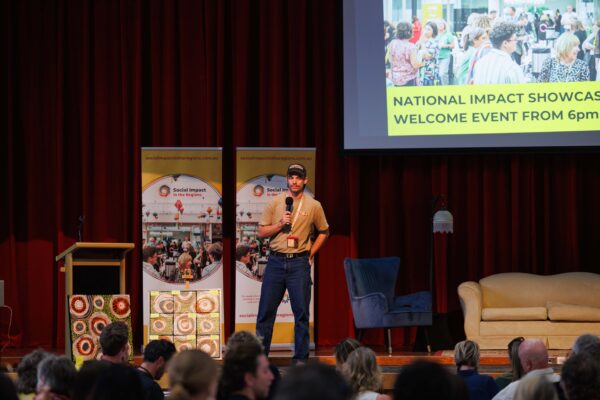
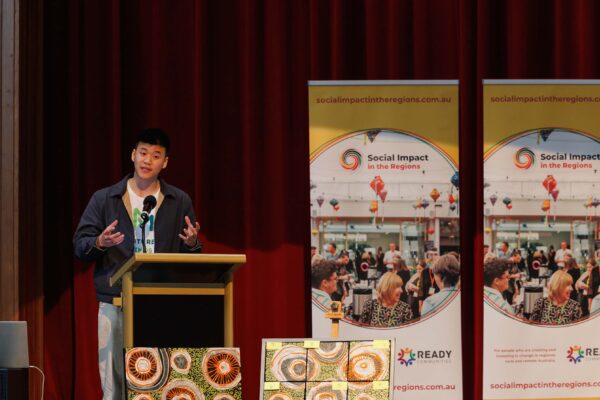
Future Minds Network – Nathaniel Diong
Nathaniel Diong presented on the Future Minds Network, a platform to deliver curriculum-aligned innovation and enterprise programs for schools across Australia. Nathanial shared about the program’s expansion to support schools in regional communities.
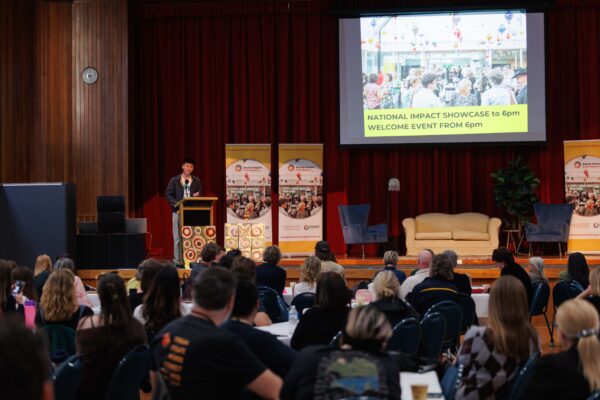
Kat Lynn shared about The Soup Box, a community-led initiative aimed at sustaining farmers, feeding the vulnerable and growing community. The project originated in Toowoomba, where, for five weeks a year, the community can purchase from farmers and share produce to fill boxes. These “Soup Boxes” are then delivered to Base Services, who convert the produce into meals for community members doing it tough. What started as a response to crisis is now going national with adjacent programs to complement the circular community food model.
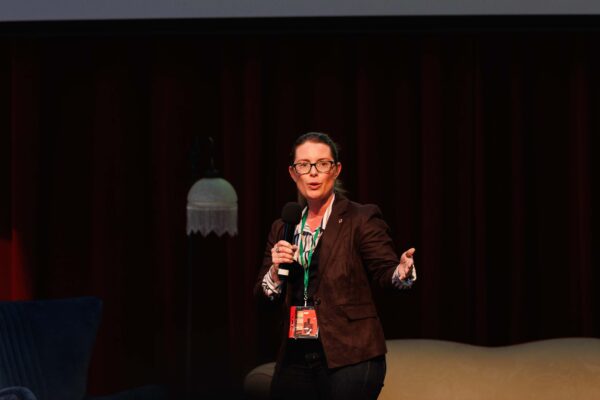
Rick Humphries from the Granite Belt Sustainability Action Network (GBSAN) shared his presentation from the local impact showcase about the challenges of drought in the region based on reliance on rainfall and the soil’s lack of water retention, with a proposal for a water security strategy and the concept of a water budget as a mobilising concept.
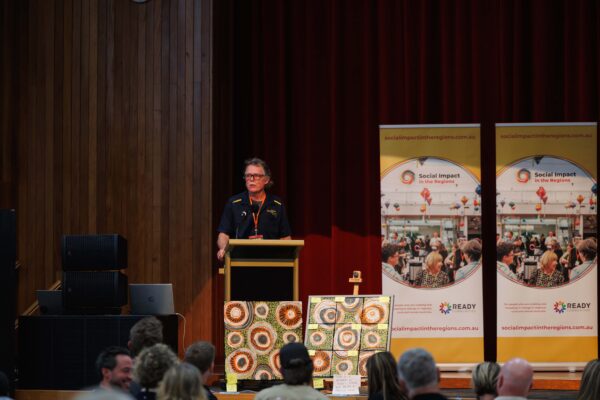
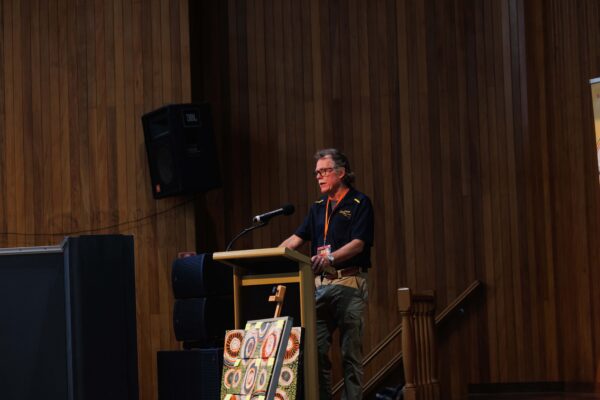
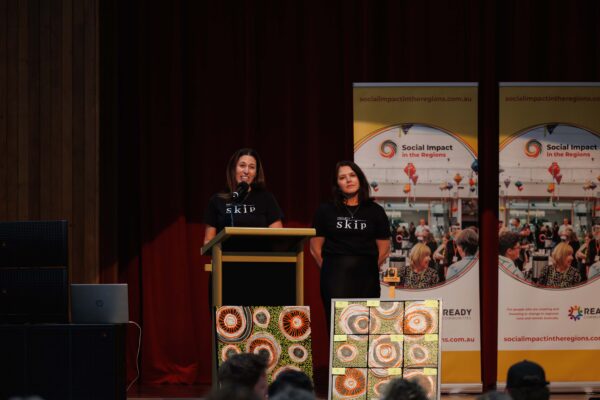
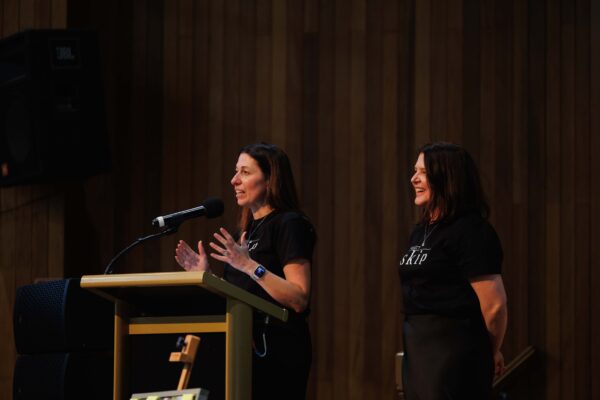
Kayla Bogatek and Clare Lawley from Project SKIP presented their wellbeing program for studios and school environments, which equips students with confidence, focus, and resilience for life beyond the studio and classroom. Building on success over the past two years, the program is now scaling to regional communities.
Melinda Jones presented on the establishment of the Monto Magic Art Trail, which had a significant impact on the Monto community through strengthening local pride, preserving important stories, and creating a unique destination that attracts visitors to the region. Through murals, silo art and public artworks, the project transformed everyday spaces into places of connection, conversation and learning, encouraging residents and visitors to engage with the history, culture and identity of Three Moon Country. The Art Trail also contributed to the local economy by increasing visitor interest in Monto and encouraging travellers to spend more time exploring the town and surrounding attractions. Melinda’s pitch also highlighted the need for continued support for similar investments for ongoing maintenance to ensure sustainable impact.
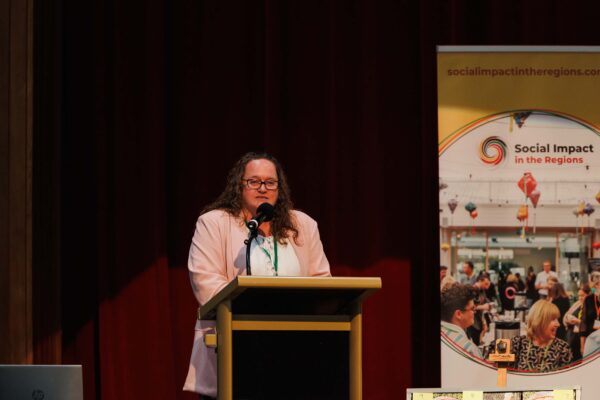
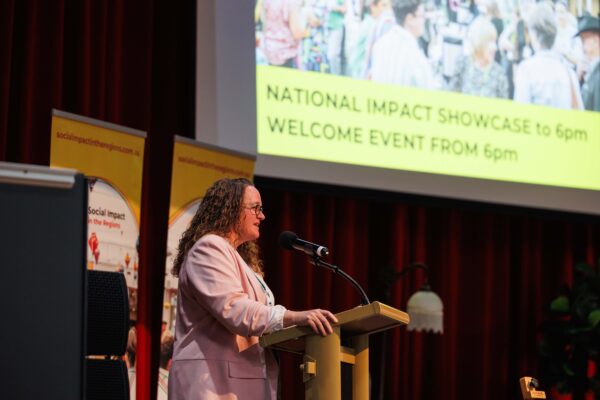
Each presentation was followed by Q&A from a panel that included Philippe Cullen from Innovation Architects, Julia Spicer from The Connection Table, and Jameson Harvey.
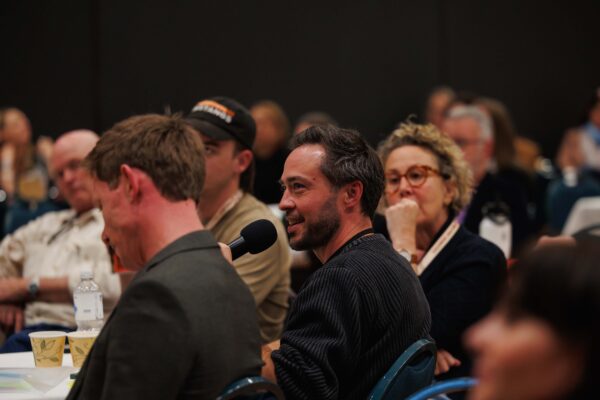
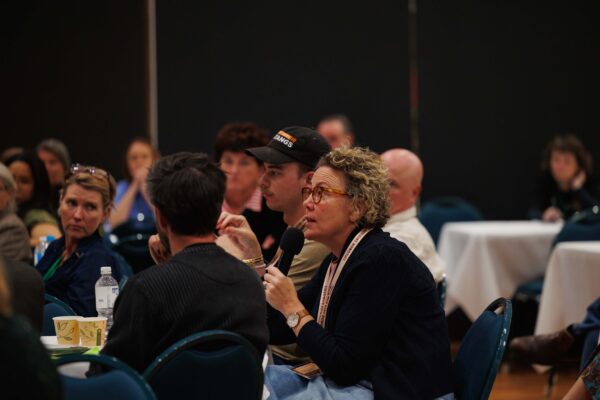
The presentations aimed to showcase the initiatives and spark further conversation over the next two days. While the pitches were not for any specific prize, the judges did award a ‘winner’ to Project Skip for further mentoring through Tom and Impact Boom. We look forward to seeing how the projects progress over the next 12 months and connections from Social Impact in the Regions that might help their journey.